Careers in the Banking Sector: Opportunities for Fresh Graduates
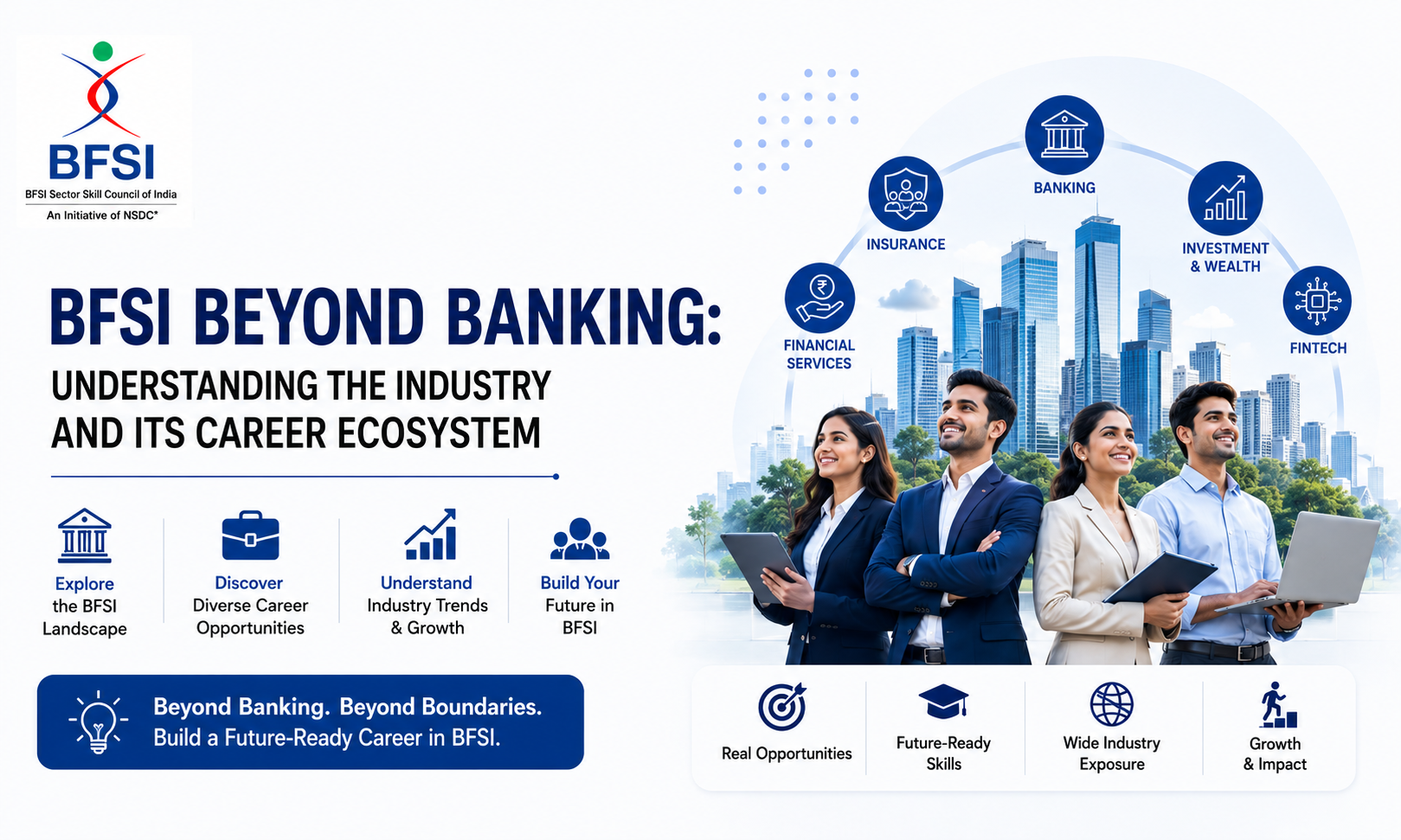
Choosing the right career after graduation is one of the most important decisions for any student. In India, a career in the banking sector has consistently remained one of the most reliable and prestigious options for fresh graduates. With the rapid expansion of digital banking and financial services, the banking industry continues to create numerous opportunities for individuals who wish to build a stable and long-term professional career.
Why Choose a Career in Banking
A career in the banking sector offers stability, structured career progression, and long-term professional growth. Many graduates prefer banking as it provides a well-defined career path, opportunities for skill development, and exposure to various industries.
Working in banking enables professionals to develop expertise in areas such as lending, business project evaluation, risk management, capital markets, and insurance products and services. The sector also helps individuals enhance their professional personality, decision-making abilities, and financial knowledge.
Entry-Level Roles in Banks
Fresh graduates can begin their careers in banking through a variety of entry-level roles. These positions provide exposure to both front-office and back-office operations and help candidates gain practical knowledge of banking functions and business processes.
Common Retail Banking Job Roles
Customer Service Associate / Executive (Entry-Level Role)
This role involves managing the front desk and assisting customers with basic banking transactions. Candidates with strong interpersonal skills and a customer-friendly approach are well suited for this position.
Relationship Officer / Executive (Entry-Level Role)
In this role, individuals engage with customers, provide financial guidance, and support business development activities. It also exposes candidates to decision-making processes within the bank and prepares them for future leadership roles such as Branch Manager.
Operations Executive / Back Office Associate (Entry-Level Role)
This position focuses on managing internal banking operations and documentation. Candidates must have strong attention to detail and the ability to handle routine operational tasks efficiently. This role can eventually lead to positions such as Branch Operations Manager.
Micro-Lending / Loan / Credit Officer (Entry-Level Role)
Professionals in this role identify potential customers requiring financial services and assist them in the loan application process. They also collect and verify necessary documentation according to the bank’s guidelines.
Business Development Officer / Executive (Entry-Level Role)
This role focuses on expanding the bank’s customer base. Candidates identify potential clients, explain financial products and services, and encourage new customers to establish banking relationships with the institution.
Bank employees play a key role in acquiring customers and helping them access financial services. Employees involved in sales and business development activities are often provide faster career growth and broader exposure by the Bank.
Career Growth in the Banking Sector
One of the key advantages of pursuing a career in banking is the availability of structured growth opportunities. With experience, training, and performance, professionals can progress from entry-level roles to positions such as:
- Relationship Manager
- Credit Manager
- Branch Operations Manager
- Branch Manager
- Specialized roles in banking functions
Over time, professionals can advance to senior leadership positions such as:
- Area Manager
- Cluster Manager
- Regional Manager
- Zonal Manager
- National Manager
These roles involve managing larger teams, overseeing multiple branches, and contributing to strategic business decisions. Continuous learning, professional certifications, and industry knowledge are essential for long-term success in the banking sector.
Skills Required for a Successful Career in Banking
To build a successful career in banking, aspiring professionals should develop the following key skills:
- Strong communication, presentation, and negotiation skills
- Numerical ability and analytical thinking
- Customer service orientation
- Ability to work with digital tools and banking technologies
- Awareness of banking rules and regulatory requirements
- Knowledge of banking operations and procedures
- Understanding of financial products and their implications
Developing these competencies helps candidates build a stable and rewarding career in the banking industry.
Conclusion
The banking sector offers excellent opportunities for individuals seeking a stable and rewarding career. With the increasing demand for skilled professionals in the Banking and Financial Services Industry, graduates have multiple avenues to begin and grow their careers.
Undertaking relevant training programs and certifications through recognized training partners and career assistance initiatives offered by the BFSI Sector Skill Council of India www.bfsissc.com can help candidates become job-ready and successfully launch their careers in the banking sector.